

Dubai, 19 Feb : Diplomatic signals of cautious progress between Washington and Tehran were overshadowed Thursday by mounting military preparations and sharpened rhetoric, as Moscow warned of what it called an “unprecedented escalation of tension” around Iran.
Russia’s appeal for restraint came as the United States accelerates a significant reinforcement of air and naval assets across the Middle East, a deployment expected to be in place by mid-March. U.S. officials say the moves are intended to maintain deterrence while negotiations over Iran’s nuclear programme continue.
Talks held this week in Geneva produced what Iranian Foreign Minister Abbas Araqchi described as agreement on “guiding principles,” adding that “good progress has been made,” though “there are still a lot of details to discuss.”
The White House offered a more cautious assessment. Press Secretary Karoline Leavitt said the sides remain “far apart” on key issues, warning that Iran would be “very wise” to reach a deal with President Donald Trump.
Trump has repeatedly suggested military action remains on the table if diplomacy fails. In recent remarks, he signaled that strategic assets, including the Diego Garcia airbase in the Indian Ocean, could be used if Washington perceives a growing threat from Tehran.
Expanding Military Posture
U.S. defense officials confirmed the dispatch of a second aircraft carrier strike group to the region, joining the USS Abraham Lincoln and its air wing of nearly 80 aircraft. Additional fighter jets and warships have been repositioned, underscoring what American officials describe as a readiness posture rather than an imminent attack plan.
Iran, for its part, has intensified defensive preparations. Satellite imagery reviewed by regional analysts indicates that Tehran has reinforced infrastructure at sensitive military and nuclear locations, including shielding and fortifying tunnel systems damaged in earlier strikes. The Islamic Revolutionary Guard Corps has also launched new military exercises near the Strait of Hormuz, a chokepoint for global energy shipments.
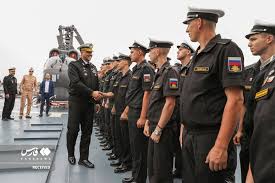
In the Gulf of Oman, Iranian naval units conducted drills alongside a Russian corvette, signaling closer security coordination between Moscow and Tehran at a time of heightened tension.
Core Disagreements Persist
At the heart of the impasse remain longstanding disputes. The United States insists Iran abandon uranium enrichment, curb long-range missile development, and halt support for armed groups across the region. Tehran rejects those demands as exceeding the scope of nuclear negotiations.
Iranian President Masoud Pezeshkian reiterated that his government “does not want war,” but questioned whether Iran should submit to what he described as coercive demands. Tehran maintains that its atomic programme is strictly peaceful and views missile capabilities as non-negotiable.
U.S. Energy Secretary Chris Wright stated that Washington would prevent Iran from acquiring a nuclear weapon “one way or the other,” calling such an outcome “entirely unacceptable.”
Growing International Alarm
The rising rhetoric and troop movements have triggered concern beyond the immediate parties. Poland urged its citizens to leave Iran, citing the risk of sudden deterioration. International Atomic Energy Agency chief Rafael Grossi held discussions with Iranian officials focused on shaping a potential framework for continued talks.
Oil markets have responded nervously, with prices edging higher on fears that a confrontation could disrupt supply routes through the Gulf.
Fragile Diplomacy, High Stakes
Despite the intensifying military optics, both Washington and Tehran have left diplomatic channels open. Negotiators are expected to exchange proposals in the coming weeks.
For now, the situation reflects a precarious balance: visible military signaling paired with cautious engagement. Whether that balance holds may depend on whether the next round of diplomacy narrows the substantive gaps — or whether escalating pressure on either side tips the region toward confrontation.
