

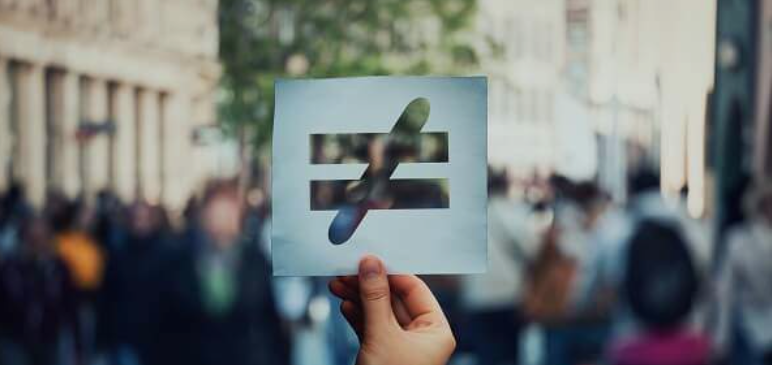
Portland , Feb 18: The global struggle for equality for women and girls has been ongoing for centuries, with no country yet achieving full equality, according to an analysis highlighting persistent discrimination and disparities worldwide.
In many countries, women and girls continue to face harassment, domestic violence, insecurity, unequal treatment and limited access to rights and resources. “The global struggle for equality for women and girls has been ongoing for centuries, with no single country having achieved full equality,” the report noted.
One of the primary goals of the movement is “to dismantle systemic discrimination and secure basic human rights for women and girls,” including economic freedom, social independence, voting rights and bodily autonomy.
The report identified limited healthcare, unequal access to education and political power, high levels of violence, forced marriages and cultural preferences for male children as key drivers of inequality. “Many women and girls still struggle for their lives, their rights and their dignity,” it said.
Women’s suffrage began gaining ground in the early 20th century, with New Zealand becoming the first country to grant women the right to vote in 1893. About a decade later, Australia, Finland, Denmark and Iceland followed suit.
“By the middle of the 20th century, more than half of all countries had granted women the right to vote,” the report said. Today, no country formally bars women from voting, though some effectively restrict the right through the absence of elections or restrictive regimes.
National surveys indicate broad public backing for gender equality, with support reaching 90 per cent or more in Canada, Sweden and the United Kingdom. However, support is lower — around 55 per cent — in Kenya, Russia and South Korea.
“National surveys… find large majorities of the public supporting women’s equality,” it said, even as a minority of misogynists “consider women inferior to men” and deny them control over “their lives and bodies.”
The Women, Peace and Security Index, which measures women’s status across 181 countries based on inclusion, justice, rights, security and safety, ranks Denmark, Iceland, Norway, Sweden and Finland as the top five performers. Together, they account for just 0.3 per cent of the world’s female population, with European nations holding nine of the top ten positions.
In contrast, Afghanistan, Yemen, Central African Republic, Syria and Sudan rank among the lowest. Among the ten lowest-ranked countries, only Haiti is outside Africa or Asia.
The findings underscore that despite measurable progress in legal and political rights, significant structural and social barriers continue to hinder full equality for women and girls worldwide.
