

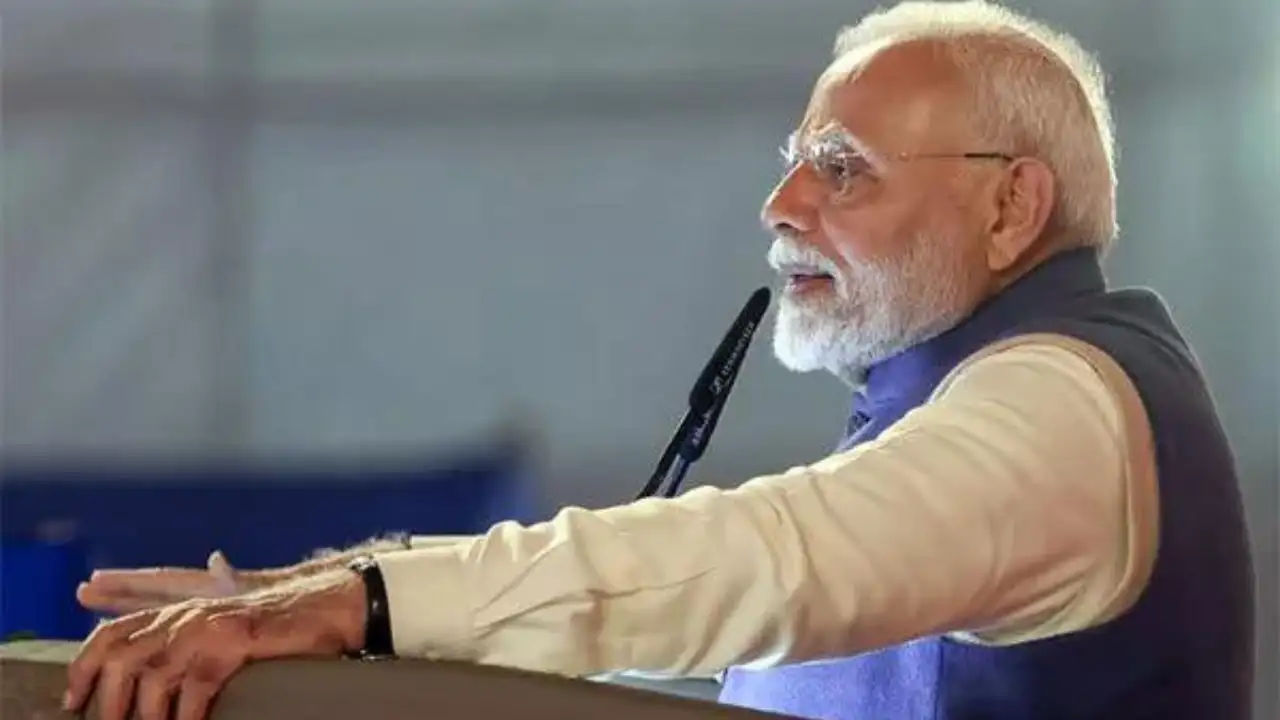
Guwahati, India, May 23 – Prime Minister Narendra Modi on Friday pitched India’s northeastern region as a future hub for international trade, particularly with Southeast Asia, asserting it was no longer a “frontier” but a “frontrunner” of growth.
Speaking at the Rising Northeast Summit, Modi said the eight states that comprise the region — long seen as geographically isolated — now offer vast economic opportunities across sectors including agriculture, tourism, and energy.
“Northeast is not just a direction; for us it means Empower, Act, Strengthen and Transform,” Modi said, outlining his government’s development mantra for eastern India. “We have new dreams for the Northeast. This region will emerge as a strong gateway for trade with Southeast Asia.”
The summit comes days after India ordered the closure of certain land ports with neighbouring Bangladesh, a move officials say is intended to provide a level playing field for the region’s supply chains and encourage competitive manufacturing.
Highlighting sectors such as bamboo, tea, bio-economy, and eco-tourism, Modi called the Northeast a “powerhouse of energy” and referred to its states as “Ashta Lakshmis,” a term in Hinduism symbolizing prosperity.
Modi also announced infrastructure initiatives to strengthen regional connectivity with Southeast Asia, including direct links to Myanmar, Thailand, Vietnam, and Laos. “These projects will give the Northeast a new commercial identity among the Indo-Pacific countries,” he said.
Union ministers have made over 700 visits to the region in the past decade, he added, reflecting the government’s transition from a “Look East” to “Act East” policy. The summit was attended by foreign delegates, business leaders, and chief ministers of Assam, Meghalaya, Tripura, Mizoram, and Sikkim.
The event follows diplomatic tensions in March when Bangladesh’s Chief Advisor Mohammed Yunus described the region as “landlocked” and proposed his country as a maritime gateway for China. India rejected the remarks, with Assam Chief Minister Himanta Biswa Sarma calling them “offensive and condemnable.”