

New Delhi, Sept 17: India has welcomed the passage of legislation by New Zealand’s Parliament that will enable the implementation of the India-New Zealand Free Trade Agreement (FTA), describing the development as an important step towards strengthening bilateral economic ties.
The legislation was passed on September 16, nearly five months after the two countries signed the trade agreement in New Delhi on April 27, 2026. The agreement is aimed at expanding trade and creating greater opportunities for businesses, professionals and communities in both countries.
The Ministry of Commerce and Industry said the FTA will provide duty-free access for 100 per cent of India’s exports to the New Zealand market once the pact comes into effect.
Indian sectors expected to benefit include textiles and garments, leather and footwear, engineering goods, pharmaceuticals, agriculture and processed food products.
At the same time, the agreement will provide improved and preferential access to the Indian market for several New Zealand products, including timber, wool, sheep meat and raw hides.
The pact also covers services, investment and movement of professionals, students and young people. It is expected to create additional opportunities for Indian professionals and students seeking to engage with New Zealand.
According to the ministry, the agreement includes provisions aimed at facilitating investments of up to USD 20 billion in India. It also provides a framework for greater cooperation in areas such as agricultural productivity, pharmaceuticals, medical devices, traditional medicine and Ayurveda, technology and trade facilitation.
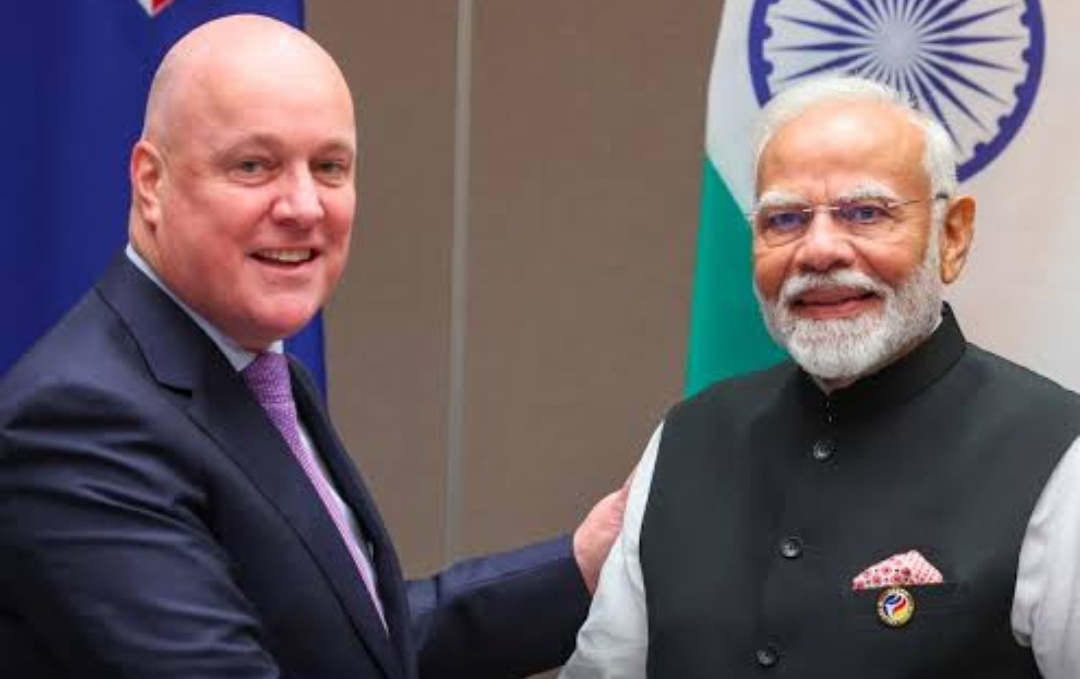
The development follows Prime Minister Narendra Modi’s visit to New Zealand in July 2026. The visit was the first by an Indian prime minister to the country in four decades and gave fresh momentum to bilateral engagement.
During the visit, the two sides reaffirmed their commitment to expanding economic cooperation and stressed the need for early implementation of the trade agreement.
India and New Zealand share long-standing ties supported by people-to-people connections and cooperation in areas including trade and investment, agriculture, education, sports and technology.
Both countries are now working to complete their respective domestic procedures to facilitate the early implementation of the FTA.
