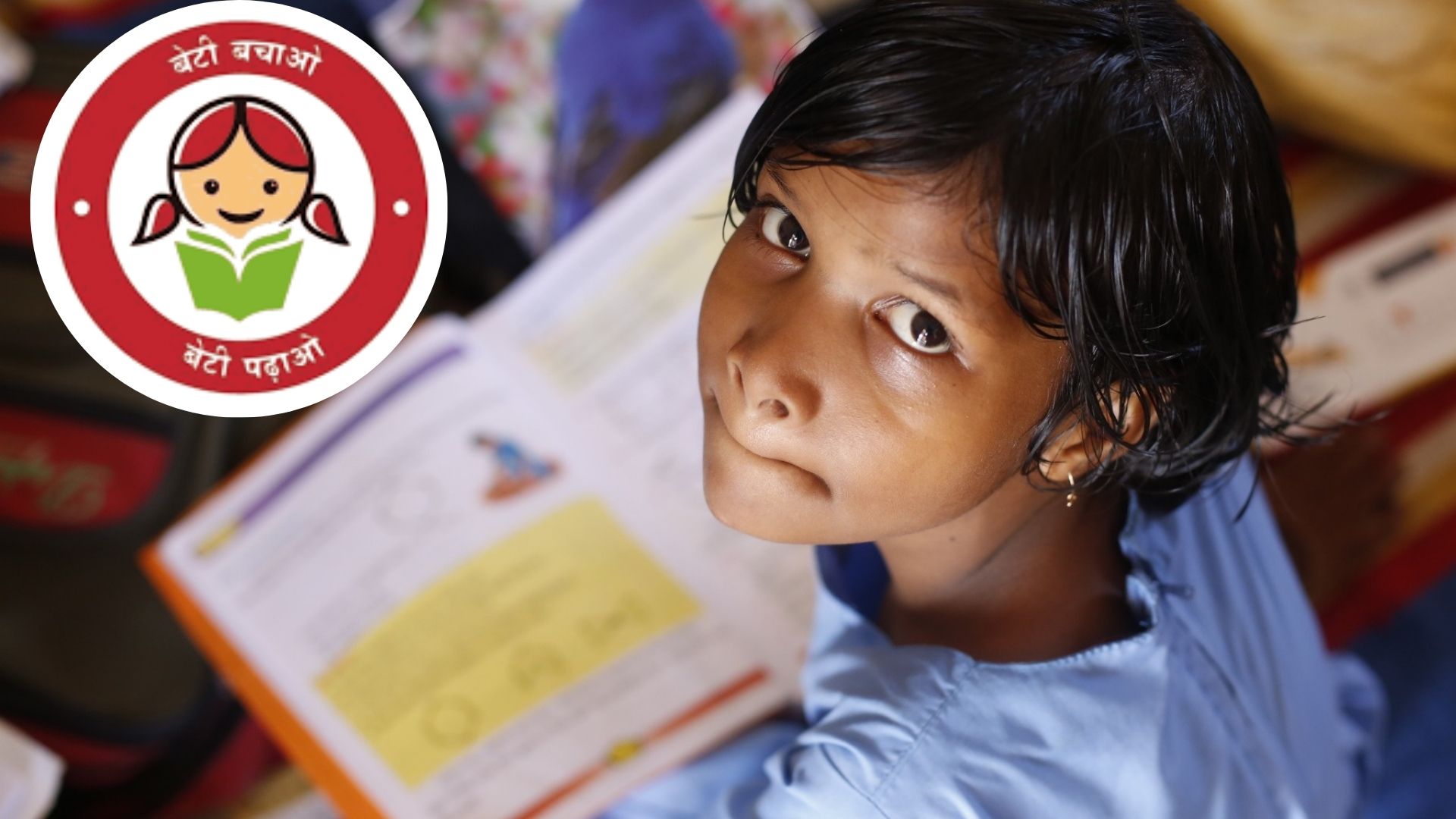
Palamu, Feb 04 : Palamu district in Jharkhand has been recognized by the Central Government for its effective implementation of the Beti Bachao Beti Padhao (BBBP) initiative, as the nation marked the scheme’s 10th anniversary on January 22, 2025. Launched in 2015 by the Union Ministry of Women and Child Development, the scheme aims to protect, educate, and empower girls while addressing gender imbalance and the declining child sex ratio across the country.
In Palamu, the district administration aligned its efforts with the 100 Din Sankalp Abhiyan, focusing on education, health, and safety through the “100 Din Beti Bachao, Beti Padhao” campaign. Over 70 awareness programmes were conducted, engaging government officials, field representatives, and local beneficiaries. Four programmes alone involved 125 government officials and 22 field representatives, enrolling 216 beneficiaries. Additionally, the BBBP Week and the Pre-Conception Prenatal Diagnostic Techniques (PCPNDT) Enforcement Drive included three programmes, enrolling 178 participants.
Mission Shakti Week, a key component of the campaign, recorded the highest beneficiary enrollment, with 280 participants. A total of 379 government officials and 104 local representatives contributed to reaching 1,999 beneficiaries through thematic weeks dedicated to gender equality, skill development, legal awareness, and community mobilisation.
The campaign adopted a robust community engagement strategy, featuring door-to-door awareness drives where volunteers distributed stickers and pamphlets to promote gender equality and prevent child marriage. Activities included rallies, street plays, group discussions, and school-led initiatives such as essay competitions, signature drives, and tree planting. Oath-taking ceremonies and rallies recorded participation from 59,640 women.
Key messages were disseminated through posters placed in 165 of 265 selected panchayats and 14 Integrated Child Development Scheme (ICDS) projects. Campaign messages, video clips, and social media posts were widely shared via local channels. Awareness materials were distributed to Anganwadi Workers (AWW) and Jharkhand State Livelihood Promotion Society (JSLPS) teams for grassroots outreach.
The campaign saw active participation from various demographics, recording 180,965 participants, including 1,440 men and 82 individuals identified as disabled or transgender. Photo documentation, video recordings, and attendance records verified the campaign’s extensive reach. Officials expect the heightened community awareness to lead to a significant reduction in child marriage rates and greater support for girls’ education in the district.
The Central Government commended Palamu’s collaborative efforts involving government bodies, schools, and NGOs. Early engagement with parents and teachers was pivotal in ensuring broad participation and sustained involvement.
Palamu’s “100 Din Beti Bachao, Beti Padhao” campaign has set a benchmark for achieving milestones in gender equality and community mobilisation, reflecting the district’s commitment to empowering girls and addressing deep-rooted societal challenges.