

Ranchi, Nov 4: Jharkhand Chief Minister Hemant Soren on Wednesday called for an inclusive and future-oriented state language education policy that recognises the state’s linguistic and cultural diversity while strengthening students’ communication skills, digital proficiency and practical abilities.
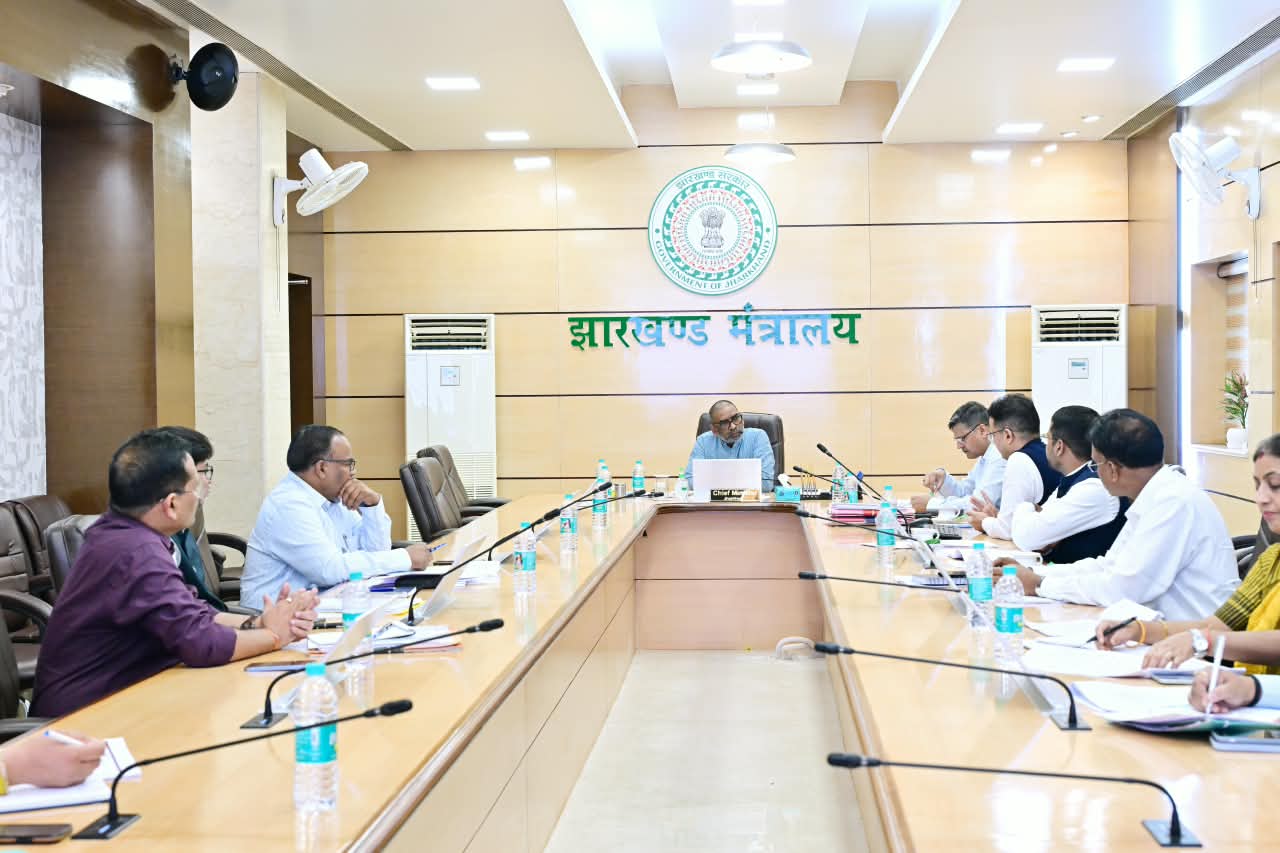
Chairing a meeting at the Jharkhand Secretariat on the presentation of the draft Jharkhand State Language Education Policy by the School Education and Literacy Department, Soren directed officials to formulate a practical and forward-looking framework suited to the state’s educational needs and future challenges.
He said Jharkhand’s linguistic, cultural and social diversity was an important part of its identity and should be reflected in the education system. Children often speak their mother tongues and local languages at home and in their communities, while classroom instruction is largely conducted in Hindi or English. This language gap, he said, should not affect children’s understanding, participation, expression or learning, particularly in the early years of schooling.
The Chief Minister stressed that the policy should respect students’ mother tongues while strengthening their knowledge, skills and ability to communicate. He said education should go beyond completing the prescribed curriculum and prepare students to become capable, confident and competitive.
Soren also emphasised the need to integrate skill-based education into the school curriculum, stating that students’ interests, talents and practical abilities should develop alongside academic learning. He specifically suggested considering hockey as part of skill-based education, noting that children from Jharkhand have consistently performed well in the sport and should receive better opportunities to develop their talent.
Highlighting the importance of communication skills, the Chief Minister directed officials to ensure spoken English classes for students before they complete Class 12. He said proficiency in spoken English would help them pursue higher education, employment opportunities and competitive examinations, as well as participate in sports competitions across the country.
He also called for making students digitally proficient and ensuring that the proposed policy addresses the requirements of classroom learning and competitive examinations.
Emphasising multilingual education, Soren said mother tongue, Hindi and English should be treated as mutually supportive languages rather than alternatives to one another. He directed officials to develop a framework in which additional languages could be introduced without displacing the first language, thereby enriching students’ multilingual abilities.
During the meeting, officials informed the Chief Minister that a Language Education Policy Formulation Committee was constituted in 2025. The committee prepared the draft after studying the education systems of Jharkhand and other states.
The draft policy covers three educational stages: early childhood education to Class 2, Classes 3 to 5, and Classes 6 to 12. Special emphasis has been placed on integrating students’ mother tongues and local languages into school education across these stages to improve comprehension and academic performance.
The Chief Minister directed officials to ensure that the final policy reflects Jharkhand’s linguistic diversity while equipping students with the knowledge and skills required to meet future educational and professional challenges.
