

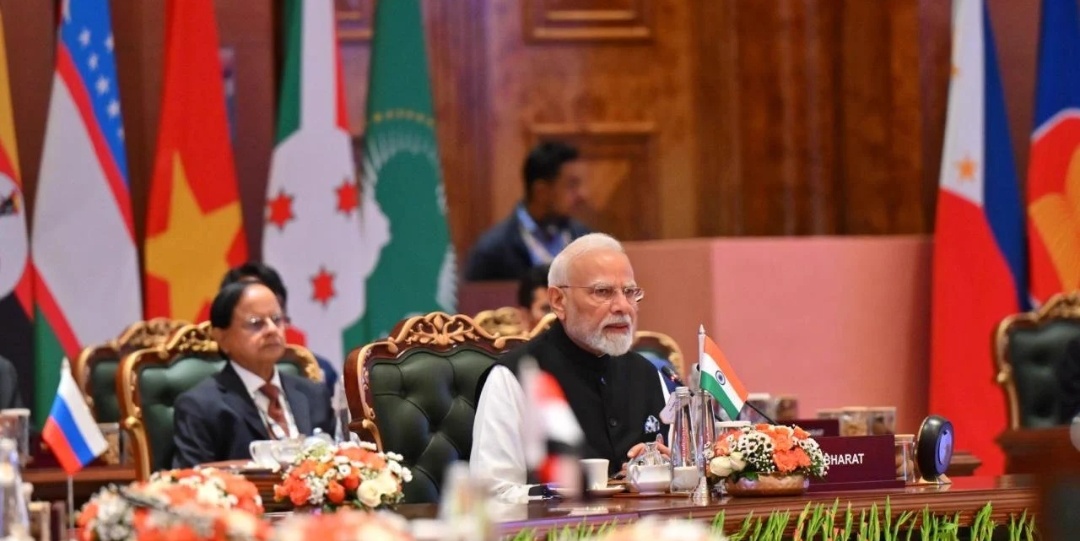
New Delhi, September 13: The BRICS grouping has backed greater cooperation in traditional, complementary and integrative medicine (TCIM), with the New Delhi Declaration supporting the proposed creation of an expert working group to promote research, knowledge-sharing and evidence-based practices among member countries.
The initiative was highlighted during the 18th BRICS Summit, where the declaration recognised the potential contribution of traditional medicine to stronger healthcare systems and efforts towards universal health coverage.
The proposed BRICS Expert Working Group on TCIM would function under the BRICS Health Track and is expected to provide a structured platform for member countries to exchange expertise, research findings and regulatory experiences related to traditional medicine.
AYUSH Minister of State (Independent Charge) and Minister of State for Health and Family Welfare Prataprao Jadhav said the recognition of TCIM in the declaration was an important step towards expanding international cooperation in traditional medicine.
He said the proposed mechanism could help BRICS countries share knowledge, strengthen research and promote evidence-based approaches while supporting the development of safe, effective and affordable healthcare solutions.AYUSH Secretary Vaidya Rajesh Kotecha said the proposed expert group could facilitate cooperation in areas such as research, evidence sharing, quality standards and regulatory practices.
A major focus of the declaration is greater cooperation in research on medicinal plants and herbal preparations. BRICS countries possess extensive traditional knowledge and experience involving medicinal resources, and collaborative research could help improve documentation, scientific understanding and quality assessment.
The declaration also stresses that traditional and complementary medical practices and products should meet appropriate standards of quality, safety and effectiveness, taking into account the national circumstances and regulatory systems of individual countries.
Such cooperation could cover scientific validation, pharmacopoeial standards, quality assurance, regulatory frameworks and the responsible development of traditional medicinal products.
The latest development follows a BRICS meeting on TCIM held in Chandigarh on July 21, 2026, during India’s BRICS chairship. Senior officials, technical experts and representatives from member countries discussed cooperation in research, education, knowledge exchange and regulation.
The Chandigarh meeting also considered the proposed framework for the BRICS Expert Working Group, paving the way for a more institutionalised mechanism for cooperation in the sector.
For India, the initiative is particularly significant as it provides an international platform for strengthening cooperation around Ayurveda and other AYUSH systems through research, evidence generation and quality standards.
The declaration’s emphasis on medicinal plants and herbal preparations could also encourage joint research and the exchange of expertise among BRICS countries, potentially supporting the development of scientifically evaluated and quality-assured products.
The initiative comes amid growing international attention to the role of traditional medicine in healthcare.
The World Health Organization’s Global Traditional Medicine Strategy 2025–2034 also places emphasis on strengthening evidence, ensuring safety and quality, and supporting the appropriate integration of traditional medicine into health systems.
The BRICS initiative therefore seeks to move cooperation in traditional medicine beyond knowledge-sharing towards a more structured approach involving scientific research, evidence generation, regulatory coordination and capacity building.
The proposed expert group, once operationalised, could bring together researchers, policymakers, academic institutions and traditional medicine specialists from BRICS countries to strengthen long-term collaboration in the field.
