

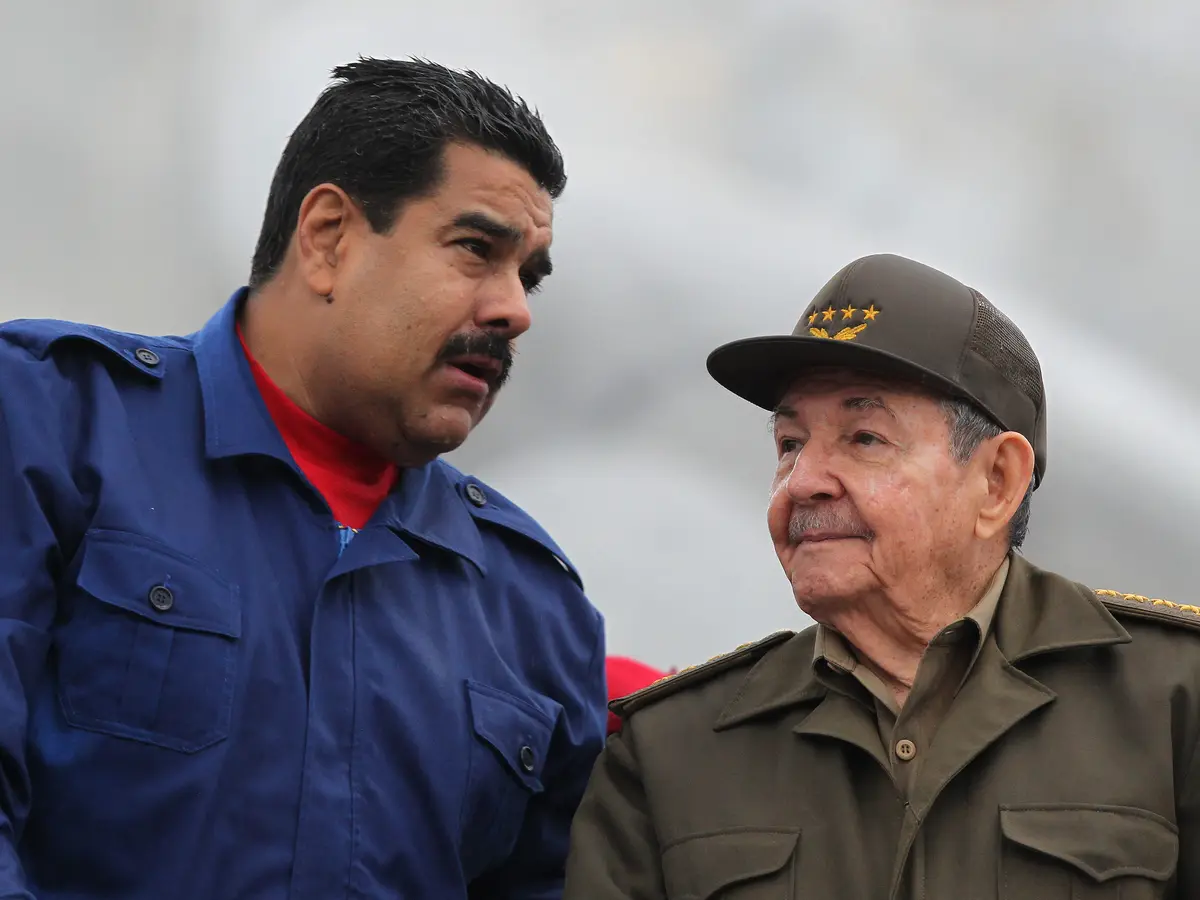
Caracas, 21 Feb : Cuban security advisers, medical staff and other personnel have begun departing Venezuela amid mounting diplomatic and economic pressure from the United States to dismantle the long-standing alliance between Caracas and Havana, according to multiple sources familiar with the matter.
The movement marks a notable shift in the relationship that once saw Cuban intelligence and military personnel deeply embedded in Venezuela’s security apparatus. Interim President Delcy Rodríguez has increasingly relied on Venezuelan bodyguards and local forces for her protection, moving away from the Cuban elite units that shielded former presidents Nicolás Maduro and Hugo Chávez.
The departure comes in the wake of a major U.S. military operation on January 3 that resulted in the capture of Maduro and the deaths of at least 32 Cuban security personnel, according to Havana’s government. Those forces had been part of a broad bilateral security cooperation that placed Cuban advisors across Venezuela’s military and counterintelligence units.
Experts say the pullback represents both a tactical response to U.S. demands and a recalibration by Venezuela’s interim leadership, which must balance foreign pressure with internal political stability. “The Cuban influence was absolutely essential” to the Chavista government’s persistence over past decades, said Alejandro Velasco, a historian at New York University.
Inside the intelligence service DGCIM, some Cuban advisers have reportedly been removed from their roles, and recent commercial flights have carried Cuban personnel back to Havana. However, sources indicate that a number of Cuban operatives — including undercover intelligence agents and educators at a Venezuelan security university — continue their work in the country.
U.S. Strategy and Havana’s Response
Washington has publicly stated its objective of severing the alliance and reducing Cuba’s influence in the region, aligning these goals with broader efforts to challenge Havana’s communist government. A White House official said the U.S. shares a “very good relationship with the leaders of Venezuela” and believes Rodríguez’s interests align with key U.S. objectives.
U.S. pressure has also included economic measures, notably a blockade of Venezuelan oil shipments that historically supplied fuel to Cuba. This has intensified resource shortages in Havana and contributed to a sharp decline in the island’s energy supply.
Cuba’s leadership has condemned the U.S. approach while reaffirming its historic ties with Venezuela. Cuban officials have decried economic pressure as hostile and said they remain open to dialogue, provided it respects sovereignty and equality.
Regional Implications and Future Outlook
Analysts warn that although the Cuban presence in Venezuela has diminished, the alliance is not yet disbanded. Cuban advisors still embedded within security and educational institutions reflect a cautious, ongoing engagement even as the diplomatic landscape shifts.
Former U.S. diplomat Frank Mora noted that Rodríguez appears to be carefully balancing the need to reduce Cuban influence with the political cost of alienating Havana entirely.
Observers say the broader geopolitical contest — involving U.S. policies toward Cuba, Venezuela’s political transition, and shifting alliances — will continue to shape developments in the region over the coming months.
